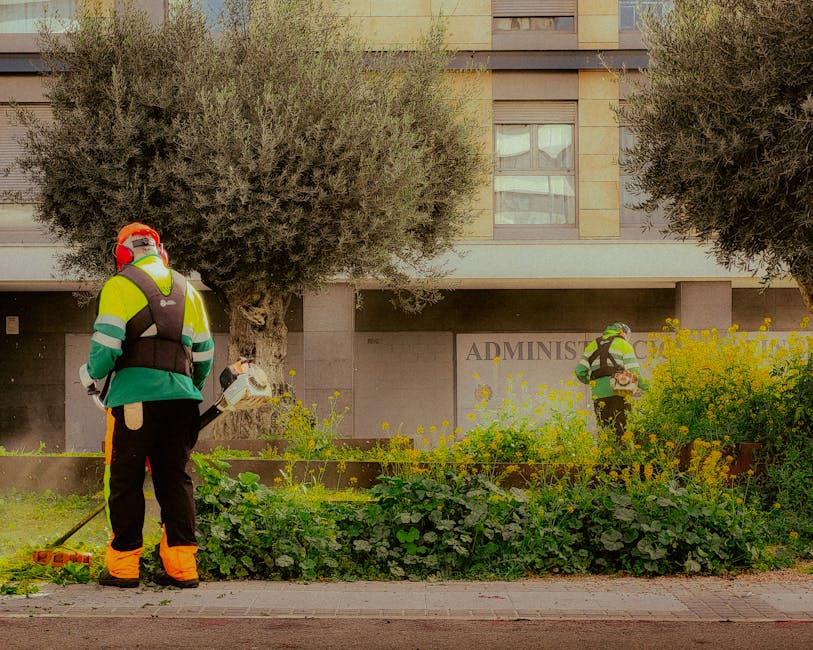
Why hire a certified arborist or licensed gardeners for tree work
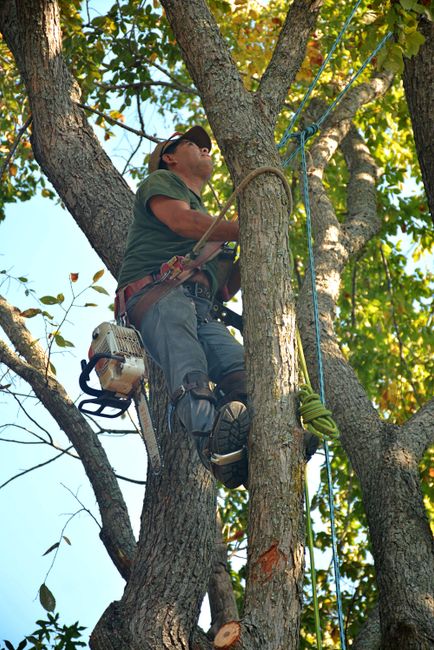
Tree work looks simple from the driveway. A few branches off, maybe a crown tidy, perhaps a stubborn stump and job done. But once you are standing under a mature tree with a ladder, a saw, and a bit of wind pushing through the canopy, the picture changes fast. That is where the question of why hire a certified arborist or licensed gardeners for tree work becomes more than a nice-to-have. It becomes a safety, quality, and peace-of-mind decision.
In real life, tree work affects more than the tree itself. It can touch your fence, roof, neighbour's garden, wildlife, drainage, access, and even the long-term shape of the whole outdoor space. Done well, it keeps a garden healthy and tidy. Done badly, it can leave a tree stressed, a site messy, and a homeowner dealing with avoidable costs. This guide explains the practical reasons to choose trained professionals, how the work usually unfolds, and what to look for before you book.
Why Why hire a certified arborist or licensed gardeners for tree work Matters
Tree work sits in a slightly awkward middle ground. It is part gardening, part maintenance, part risk management. A seasoned gardener may be brilliant at keeping borders, hedges, and lawns in shape, while a certified arborist brings deeper tree-specific knowledge: structure, disease, pruning response, and safe working methods around larger trees. For more complex jobs, that difference matters a great deal.
Let's be honest: a tree is not just a tall plant. It is a living structure with growth patterns, weight distribution, weak points, and a root system that can be far larger than people expect. Trim too much, too little, or in the wrong place and you can affect future growth for years. That is why hiring a trained professional is about more than convenience. It is about protecting the tree, the garden, and everyone around it.
A certified arborist or licensed gardener is also more likely to spot issues early. Deadwood, fungal decay, crossing branches, storm damage, root disturbance, and poor previous cuts are easy to miss if you do not work with trees every day. A quick tidy-up can be turned into a much smarter intervention when the right person is looking at the whole picture.
And there is the practical side too. Tree work often needs careful site preparation, debris removal, and a sensible approach to waste handling. If your wider garden needs a reset, you may also want to consider garden clearance or ongoing garden maintenance so the whole space feels looked after, not just the tree.
How Why hire a certified arborist or licensed gardeners for tree work Works
Good tree work usually starts well before any cutting begins. A proper professional will first assess the tree, the access, the ground conditions, and any nearby hazards. That might include fences, sheds, parking bays, glazing, overhead lines, or tight access between houses. In a busy London garden, even a small apple tree can become a puzzle of awkward angles and limited space. Not glamorous, but very real.
From there, the work is planned around the tree's condition and your goal. Are you trying to reduce shading? Remove dangerous deadwood? Improve airflow? Clear space above a path? Make a tree safer after storm damage? Each aim calls for a different approach, and a trained professional should explain that in plain English rather than drowning you in jargon. Good communication matters, weirdly more than people expect.
For larger or riskier jobs, the process may include controlled dismantling, section-by-section lowering, stump grinding, or careful crown work. Smaller jobs might involve selective pruning, shaping, or branch reduction. The key thing is that the method should suit the tree, not the other way round.
If the work is part of a wider outdoor refresh, it can blend naturally with services such as hedge trimming, landscaping, or even broader landscape gardening. That keeps the finished result cohesive instead of patchy.
Key Benefits and Practical Advantages
The obvious benefit is safety, but there is more to it than that. Hiring the right person can improve the tree's future health, protect your property, and save you from a frustrating do-it-yourself mistake. Not every cut is forgiving. Some are, frankly, irreversible.
- Safer work at height: tree work often involves ladders, poles, saws, ropes, and unstable footing. Experience reduces risk.
- Better pruning decisions: a certified arborist understands how a tree responds to cuts, which helps avoid over-pruning and stress.
- Cleaner finish: trained gardeners and arborists usually leave the site tidier, with fewer awkward leftovers and less damage to lawns or borders.
- Reduced chance of long-term harm: poor cuts can invite decay, weak regrowth, or structural imbalance.
- Time saved: a team with the right tools gets the work done faster and with fewer false starts.
- More confidence around regulations and boundaries: especially useful if trees are close to neighbours, roads, or shared access.
There is also a quality-of-life benefit people overlook. A well-managed tree changes how a garden feels. More light in the kitchen. Less leaf clutter on the patio. Better airflow in a damp corner. You notice these things every day, even if you do not think about them at quote stage.
For homeowners who want a complete refresh, tree care often sits beside lawn mowing and routine upkeep. That way the space does not look half-done. Which, to be fair, is a little too easy to end up with.
Who This Is For and When It Makes Sense
This service is for anyone who wants tree work done properly, safely, and with less guesswork. That includes homeowners, landlords, property managers, letting agents, and people preparing a property for sale or rental. It is especially sensible if the tree is large, mature, leaning, damaged, or growing close to buildings.
It also makes sense if you are dealing with more than cosmetic trimming. Here are the situations where professional help is usually the right call:
- Branches are overhanging roofs, conservatories, or neighbouring boundaries
- The tree has visible deadwood, splitting, or signs of decay
- Storms have caused damage or made the tree look unstable
- The site is awkward, narrow, sloped, or difficult to access
- You need help deciding what should actually be cut, not just how to cut it
- You want the garden cleared, reshaped, or prepared for new planting
If your goal is simply neatness, a skilled gardener may be enough for lighter work. If the task involves larger limbs, tree health, or risk, a certified arborist is usually the better fit. Sometimes the best answer is both. A good team knows when to bring each skill set into play.
That is also why services like tree lopping and removal are often discussed alongside general garden care. The right choice depends on the tree, not the marketing label.
Step-by-Step Guidance
If you are trying to work out what the process should look like, here is a sensible, real-world sequence.
- Initial enquiry and description. Explain the tree type if you know it, its size, what is worrying you, and whether there is damage or access difficulty.
- Site assessment. A professional should review the tree in context, not just from a photo if the job is complex. Photos help, but they do not tell the full story.
- Recommendation. You should get a plain explanation of what work is needed, what is optional, and what should be avoided.
- Quote and scheduling. The quote should reflect access, disposal, labour, and complexity. Cheap quotes that skip these details can become expensive later.
- Preparation. This may include moving vehicles, protecting nearby surfaces, or giving neighbours notice if necessary.
- Tree work execution. The team carries out the agreed work using the right tools and safe methods.
- Waste removal and tidy-up. Branches, brush, and debris should be cleared unless you have agreed otherwise.
- Aftercare advice. If pruning has been done, you should get clear guidance on what to monitor next.
A small but important point: ask what happens if the tree is in worse condition than expected once work begins. Mature trees can hide issues. A good professional will talk you through that possibility in advance rather than springing surprises later.
Expert Tips for Better Results
Here are a few practical tips that tend to separate a smooth job from a messy one.
- Be specific about your goal. "Make it smaller" is vague. "Reduce shade over the patio while keeping privacy" gives a far better brief.
- Ask what will not be cut. This sounds odd, but it helps protect the tree's long-term shape.
- Check if the team understands species-specific needs. Different trees respond differently to pruning. A one-size-fits-all approach is rarely ideal.
- Think beyond the tree. If branches have been dropping debris for years, your garden may need a little reset afterwards.
- Plan the whole space. Tree work often reveals what else needs attention, from borders to paving.
If the wider garden is getting a refresh, tying the work into garden maintenance can help keep the results looking good beyond the first week. Trees are part of the whole system, not a standalone item on a checklist.
Little tip from experience: if a company can explain the job clearly without sounding defensive or vague, that is usually a very good sign. Not a guarantee, of course, but a strong one.
Common Mistakes to Avoid
A lot of tree problems begin with well-meant shortcuts. The work looks simple, so people assume it is simple. That is usually where trouble starts.
- Choosing purely on price. The cheapest quote can miss safety, waste removal, or proper assessment.
- Over-pruning. Taking too much off at once can stress the tree and leave it looking lopsided or weak.
- Using the wrong contractor for the job. A general gardener may be fine for light work, but not every tree task is garden maintenance.
- Ignoring hidden risks. Roots near walls, falling limbs, and overhead hazards all matter.
- Not asking about insurance and safety. If anything goes wrong, you want to know the contractor has taken reasonable precautions.
- Leaving the garden plan half-finished. If tree work changes the light or layout, the rest of the space may need adjustment too.
Truth be told, one of the most common mistakes is assuming all "tree work" is the same. It is not. A few light branches by a hedge and a mature sycamore over a greenhouse are very different jobs. Very different.
Tools, Resources and Recommendations
You do not need to know every piece of kit, but it helps to understand what a proper team may use and why.
| Tool or resource | What it is used for | Why it matters |
|---|---|---|
| Hand saws and pruning tools | Smaller, controlled cuts | Useful for precision and cleaner pruning |
| Pole pruners | Reaching higher branches without unnecessary climbing | Helps reduce risk on suitable jobs |
| Rigging equipment | Lowering larger sections safely | Important near roofs, paths, or tight gardens |
| Protective equipment | Head, hand, eye, and leg protection | Basic safety should never be treated as optional |
| Waste removal plan | Collection and disposal of branches and arisings | Keeps the site tidy and more manageable |
When choosing a provider, it is reasonable to ask about their approach to safety, site protection, and waste handling. You can also review their insurance and safety information to get a feel for how seriously they treat risk. That is not being fussy; that is being sensible.
For quote expectations and budgeting, a useful next step is to review pricing and quotes so you know what is likely to be included. No need to guess your way through it.
Law, Compliance, Standards, or Best Practice
Tree work can touch on property boundaries, neighbour relations, conservation considerations, and general safety duties. Exact rules vary depending on the site and local circumstances, so a cautious and practical approach is best. In the UK, it is wise to check whether a tree is subject to any protections before work starts, and to keep communication clear if branches overhang neighbouring land.
From a best-practice point of view, the main principles are straightforward: assess before cutting, use the right equipment, protect people and property, and leave the tree in a healthier state rather than just a shorter one. A reputable arborist or licensed gardener should be comfortable explaining their working method and why it suits the tree.
Insurance and safety also matter here. If a contractor is working at height or dealing with heavy wood, the risk profile is higher than for standard garden tidy-ups. The same is true for disposal and site access. Good practice usually means planning the job carefully, rather than improvising while the saw is already running.
Many homeowners also appreciate contractors who have a clear approach to recycling and waste reduction. If that is important to you, a look at recycling and sustainability can help you understand how the company handles green waste and site materials. Small thing, maybe. But it adds up.
Options, Methods, or Comparison Table
If you are deciding between doing it yourself, hiring a gardener, or hiring a certified arborist, this table makes the trade-offs a bit clearer.
| Option | Best for | Strengths | Limitations |
|---|---|---|---|
| DIY tree work | Very minor, low-risk tasks | Lowest upfront cost, immediate control | Higher safety risk, easy to overcut, limited equipment |
| Licensed gardener | Light pruning and general garden upkeep | Good for tidy, routine work; often cost-effective | May not be suitable for complex, high, or hazardous tree work |
| Certified arborist | Structural pruning, larger trees, diagnosis, riskier jobs | Tree-specific knowledge, safer methods, better long-term outcomes | Often more expensive than simple garden labour, though not always by much |
There is no single winner for every scenario. If the job is straightforward, a good gardener may be perfect. If the tree is mature, valuable, or tricky, an arborist is the safer and smarter route. Sometimes the right answer is not either/or but a team that can manage both garden care and tree care in one plan.
Case Study or Real-World Example
A typical example is a family garden with one mature tree near a patio and a shed. The owner wants more evening light and less leaf drop on the paving. At first glance, it sounds like a quick trim. But once the tree is assessed, it becomes clear that a few branches are crossing, one limb is carrying too much weight, and previous cuts have created awkward regrowth.
A rushed cut could have made the crown unstable. Instead, a thoughtful pruning plan is used: remove deadwood, reduce select branches, improve airflow, and keep the tree balanced. The garden feels brighter, the patio stays cleaner, and the tree still looks natural rather than hacked back. That is the difference between "done" and "done well".
After the tree work, the homeowner adds hedge tidying and a little broader maintenance. The whole space starts to feel calmer, almost like it can breathe again. A small thing on paper, but very noticeable when you step outside with a coffee on a cool morning.
Practical Checklist
Use this checklist before you book anyone for tree work:
- Have I clearly identified what I want the result to be?
- Do I know whether the work is light pruning or something more complex?
- Has the contractor explained why they are recommending a specific method?
- Have I asked about insurance and safety procedures?
- Do I understand what waste removal and tidy-up include?
- Have I checked whether any nearby surfaces, fences, or structures need protection?
- Am I comfortable that the person doing the work understands tree health, not just cutting?
- Have I considered whether the rest of the garden will need follow-up care?
- Do I have a quote in writing or a clear written summary of the agreed work?
- Have I thought about long-term garden care after the tree work is complete?
Expert summary: the best tree work is not the most aggressive work or the cheapest work. It is the work that protects people, respects the tree, and leaves your garden easier to live with afterwards.
Get a free quote today and see how much you can save.
Conclusion
So, why hire a certified arborist or licensed gardeners for tree work? Because trees are living assets, not disposable obstacles. The right professional helps you make better decisions, avoid preventable damage, and get a cleaner, safer result that lasts beyond the first tidy-up.
If the work is simple, a skilled gardener may be enough. If the tree is large, awkward, or potentially hazardous, a certified arborist is often the wiser choice. And if the whole garden needs attention, joining tree work with wider maintenance can make the finish look far more natural. That's usually where the real value sits.
When you choose carefully, tree work stops being a worry and becomes part of a healthier, more usable outdoor space. Nice, steady, sorted.
Frequently Asked Questions
What is the difference between a certified arborist and a gardener?
A certified arborist usually focuses specifically on tree biology, pruning standards, risk, and tree health. A gardener may be excellent at general garden upkeep, hedges, borders, and light pruning. For straightforward tree tidying, a gardener may be fine. For larger, more technical, or risky work, an arborist is usually the better fit.
Do I always need a certified arborist for tree work?
Not always. Smaller, low-risk jobs may be handled well by a licensed gardener with the right experience. But if the tree is mature, close to a building, damaged, or difficult to access, it usually makes sense to use a specialist who works with trees every day.
Is tree work by a licensed gardener safe?
It can be, provided the gardener has the right training, equipment, and insurance for the job. The key is not the title alone. Ask what they have done before, how they plan to manage access and debris, and whether the work suits the size and condition of the tree.
How do I know if my tree needs professional attention?
Warning signs include dead branches, split limbs, leaning growth, fungal growth, storm damage, heavy overhang, or branches rubbing together. If the tree looks different from last season, or if you are unsure what is happening, it is worth getting it looked at properly.
Can tree work damage the tree if it is done badly?
Yes. Over-pruning, poor cut placement, or removing too much at once can stress the tree, create weak regrowth, or leave it more vulnerable to decay. That is one of the main reasons to avoid treating all tree work like a quick hedge trim.
What should I ask before hiring someone for tree work?
Ask what experience they have with similar trees, how they will carry out the work, what is included in the quote, how they handle waste, and whether they have insurance and safety procedures in place. A clear answer is usually a good sign.
Is tree removal always better than pruning?
No. Removal is usually reserved for trees that are unsafe, severely damaged, unsuitable for the space, or no longer viable. In many cases, careful pruning or reduction is a better solution because it keeps the tree and improves the garden at the same time.
How long does tree work usually take?
It depends on the size of the tree, access, equipment needed, and whether waste must be removed. A small tidy-up can be fairly quick, while a complex job with limited access may take much longer. A proper site assessment gives the best estimate.
Will the team clean up after the work?
They should. Tidy-up and waste removal are a normal part of good tree work unless you have agreed to keep the cut material for firewood, mulch, or another use. Always confirm this before the job starts, just to avoid crossed wires.
What if branches overhang a neighbour's garden?
Overhanging branches can create sensitivity, so it is best to approach the issue calmly and carefully. A professional can advise on the safest and most appropriate approach, especially if access, boundaries, or tree condition make the situation more complicated.
Can tree work be combined with other garden services?
Yes, and often that is the best way to do it. Tree work can be paired with hedge trimming, lawn care, garden clearance, or broader landscaping so the whole space looks finished rather than partially sorted.
How do I choose between a gardener and an arborist?
Choose based on the complexity of the job, not just the name on the van. If it is routine garden upkeep with a bit of light pruning, a gardener may be ideal. If it involves tree structure, safety, or larger scale work, a certified arborist is usually the safer and more informed choice.