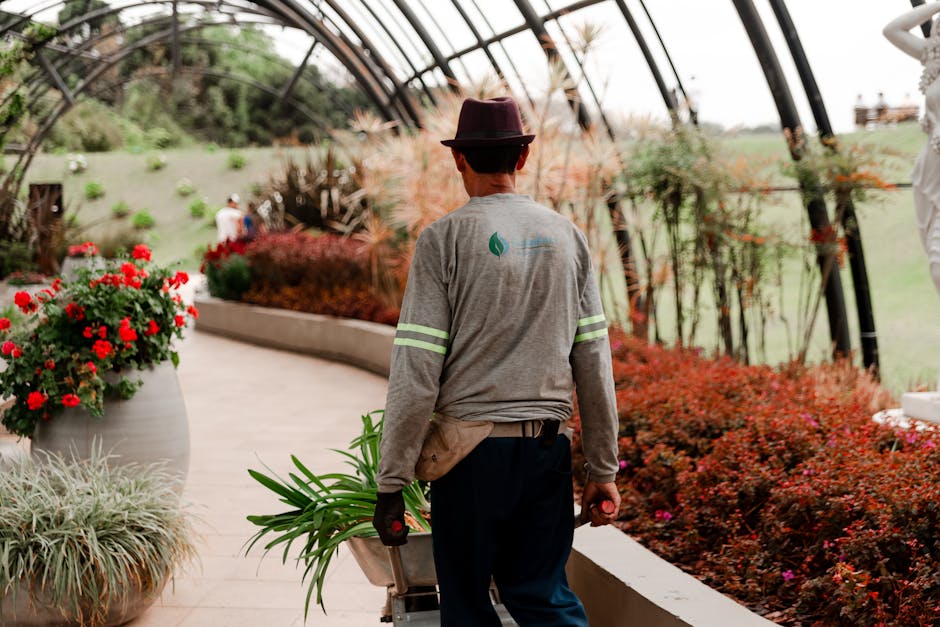
Avoid Hidden Gardeners Charges: Common Mistakes When Getting Quotes
Getting a gardener's quote should feel straightforward. In reality, it can be a bit of a minefield. One price looks tidy at first glance, then suddenly there are add-ons for waste removal, equipment, access, petrol, minimum call-out fees, or "extra labour" that nobody mentioned earlier. If you want to avoid hidden gardeners charges common mistakes when getting quotes, the key is not just finding the cheapest number. It is understanding what the quote actually covers.
This guide breaks down the most common traps, how reputable gardeners usually price work, and the practical questions that help you compare quotes properly. Whether you need regular upkeep, a one-off tidy, or a bigger project like clearance or landscaping, a little clarity upfront can save you time, money, and a fair bit of frustration. To be fair, that first conversation matters more than most people think.
- Why this matters
- How gardener quotes usually work
- Key benefits of getting quotes properly
- Who this is for
- Step-by-step guidance
- Expert tips for better results
- Common mistakes to avoid
- Tools, resources and recommendations
- Law, compliance and best practice
- Options and comparison table
- Real-world example
- Practical checklist
- Conclusion
- Frequently asked questions
Why Avoid Hidden Gardeners Charges Common Mistakes When Getting Quotes Matters
Garden work can seem simple from the outside. Cut the hedge, mow the lawn, clear the borders, tidy the mess. Then the reality kicks in: uneven access, heavy bags of green waste, stubborn brambles, broken paving, awkward corners, or a garden that has quietly grown into a small wilderness while nobody was looking. Hidden charges tend to appear when the job scope is vague.
That is why quote quality matters just as much as price. A well-written quote gives you a proper basis for comparing gardeners fairly. Without that, you are comparing apples with pears. And sometimes a pear with a rake.
For homeowners, landlords, property managers, and anyone preparing a garden for sale or letting, unclear pricing creates three common problems:
- Budget surprises after the work has started.
- Scope disputes over what was included.
- Poor decision-making because a low headline price can hide a lot of extras.
If you are arranging larger outdoor work, this becomes even more important. A service such as garden clearance or landscaping often involves more variables than a simple mow. More variables usually mean more room for misunderstanding unless the quote is clear.
How Avoid Hidden Gardeners Charges Common Mistakes When Getting Quotes Works
The process is simpler than it sounds. The best way to think about it is this: a quote should tell you what work will be done, how it will be done, what it will cost, and what could change that cost. If any of those points are missing, ask questions before agreeing.
Most gardening quotes fall into one of three styles:
- Fixed-price quote - one set price for a clearly defined job.
- Estimate - a guide price that may change if the real workload is different.
- Hourly rate - common for ongoing maintenance or open-ended work, but only fair if the tasks are clearly specified.
The hidden-charge problem often appears when customers assume they are getting a fixed price, but the provider has actually given a rough estimate. That tiny word difference can matter a lot. It is worth reading carefully. Really carefully.
Typical extras that can appear include:
- green waste removal and disposal
- extra labour for overgrown areas
- specialist tools or machinery
- access difficulties, such as side passages or no parking nearby
- travel or call-out charges
- materials, mulch, topsoil, timber, or fixings
- VAT, where applicable
That does not mean every extra is unfair. Some are perfectly reasonable if they are explained clearly. The issue is surprise. Nobody likes surprise fees, especially when the hedge is already halfway trimmed and the tea has gone cold.
Key Benefits and Practical Advantages
When you get quotes properly, the benefits are immediate and practical. You are not just protecting your wallet; you are creating a smoother working relationship from day one.
- Better price comparison: You can compare gardeners on the same basis rather than guessing what each quote includes.
- Fewer disputes: Clear written details reduce the chance of awkward "I thought that was included" conversations later.
- More control over scope: You decide what matters most, whether that is quick turnaround, waste removal, or a tidier finish.
- Higher confidence: A transparent quote usually signals a more organised, professional approach.
- Less wasted time: You avoid endless back-and-forth about what is extra and what is not.
For routine work like lawn mowing or hedge trimming, a good quote can still save money over time because it sets expectations for visit frequency and scope. For larger jobs, the savings are often even more noticeable. One missed detail in a clearance quote can become a much bigger bill once the garden is full of cuttings and waste bags.
Expert summary: The safest quote is not always the cheapest one. It is the one that clearly explains the work, the exclusions, the waste plan, and any conditions that may alter the final price.
Who This Is For and When It Makes Sense
This guidance is useful for almost anyone hiring a gardener, but especially if you are:
- a homeowner getting the garden back under control after a busy season
- a landlord arranging a tidy-up between tenancies
- a letting agent or property manager comparing multiple contractors
- preparing a property for sale and need the outside space to look clean and cared for
- planning a one-off project such as new planting, decking, or a redesign
- booking regular maintenance and want predictable costs
It also makes sense if the work feels awkward or hard to describe. A light weekly maintenance visit is one thing. But if the job involves tree lopping and removal, heavy waste, or a mix of clearance and landscaping, the quote should be more detailed. That way you are not left trying to decode the bill later on a damp Thursday afternoon.
If your garden has specific features such as decking, borders, sleeper walls, or old planting beds, it can help to point these out before anyone quotes. Even better, ask for a short written breakdown so you can see exactly what is included.
Step-by-Step Guidance
Here is the simplest way to avoid hidden charges and common quote mistakes without turning the process into a full-time job.
- Describe the job clearly. Say what needs doing, what areas are involved, and what outcome you want. "Tidy the garden" is too vague. "Mow front and back lawn, trim the hedge, clear fallen branches, and remove green waste" is far better.
- Share photos or a walkthrough. Photos help, especially if the garden has hidden corners, steep slopes, access issues, or a lot of overgrowth. A quick video can be even better. No fancy production needed.
- Ask whether the price is fixed or estimated. This is a big one. If the quote can change, ask what would trigger that change.
- Check what is included. Labour, tools, materials, waste removal, mowing height, hedge shaping, and disposal should all be clear where relevant.
- Ask about exclusions. If they do not include waste removal, mention it. If they do not take away soil, rubble, or timber, mention that too.
- Confirm access and parking assumptions. Some jobs look easy until the team has to carry tools through a long side passage or park two streets away.
- Request a written quote. Email or message, ideally. A proper written record protects both sides.
- Compare like with like. One quote may look higher, but it may include disposal, materials, and a fuller finish.
If the work is routine, it may be worth looking at a broader garden maintenance arrangement rather than one-off visits every time the grass gets out of hand. Regular maintenance can make pricing more predictable, which is often the real win.
A useful rule of thumb: if you would not be happy being billed for it unexpectedly, ask about it before the job starts. Simple, but effective.
Expert Tips for Better Results
After years of seeing how quote misunderstandings happen, a few habits stand out as genuinely helpful. Nothing flashy. Just solid practice.
- Be honest about condition. If the garden has not been touched for months, say so. Overgrown work takes longer and costs more.
- Separate "nice to have" from "must do." This helps you trim the quote without losing the essentials.
- Ask for itemised pricing on bigger jobs. It is much easier to challenge or adjust one line item than a lump sum.
- Check waste assumptions early. Green waste removal can be the difference between a tidy bill and an awkward one.
- Keep an eye on timing. Peak season quotes can be tighter on availability, and urgent work may cost more. That is normal, but it should still be clear.
For larger design or hardscape jobs, a quote for decking services or landscape gardening should include more detail than a standard tidy-up. Materials, site preparation, waste handling, and any finishing work matter a lot more than people expect.
One small but useful habit: save every quote in one folder. Sounds dull. Saves a headache later.
And if a quote feels unusually vague, trust that instinct. You do not need to be difficult. You just need clarity.
Common Mistakes to Avoid
This is where most people get caught out. The good news is that the mistakes are predictable, which means they are avoidable.
- Choosing the cheapest quote without checking the detail. A low headline price can hide extras that make the final bill higher than a clearer quote.
- Using vague language. If you say "general tidy" and the gardener hears "light leaf collection," you may end up with different expectations.
- Not asking about waste removal. This is probably the most common source of surprise charges in garden work.
- Forgetting access issues. Narrow gates, shared pathways, no driveway, or long carry distances can all affect labour time.
- Assuming all quotes are fixed prices. Some are estimates, and estimates can move.
- Not confirming VAT or payment terms. If a quote is VAT-exclusive or has specific payment expectations, you need to know that upfront.
- Ignoring exclusions in the small print. The small print is boring, yes. Also important. Both things are true.
- Failing to check what standard of finish is expected. For example, "trimmed hedge" and "shaped hedge" are not always the same thing.
Another common slip is booking a service that does not fit the job. A quick lawn mowing visit is not the same as a full clearance or a project involving replanting and preparation. Match the service to the actual task, otherwise the quote will never feel right.
Truth be told, many problems come down to one thing: people are too polite to ask the awkward question. Ask it anyway.
Tools, Resources and Recommendations
You do not need specialised software to get a better quote, but a few simple tools can help you keep things clear.
- Phone photos: Take pictures from several angles, including corners, access points, and problem areas.
- Measure rough dimensions: A quick estimate of lawn size, hedge length, or border area helps the gardener price more accurately.
- Notes on constraints: Write down parking limits, gate width, neighbour access, pets, or time restrictions.
- Written comparison sheet: A basic table with columns for labour, waste, materials, timing, and exclusions works surprisingly well.
- Service pages on the provider's site: These can help you understand what a company typically offers before you ask for a quote.
On the same website, pages such as pricing and quotes, insurance and safety, and recycling and sustainability are especially useful because they help set expectations around pricing, risk, and waste handling. That sort of information can make the whole quoting process feel much less guessy.
If a gardener has clear information about business policies, terms, and how payment works, that is usually a good sign. It does not guarantee a perfect experience, of course, but it does suggest they are thinking beyond the first invoice.
Law, Compliance, Standards, or Best Practice
Garden quotes are not usually a heavily regulated area in the way some trades are, but there are still sensible UK best practices that matter. The main thing is transparency. Customers should know what they are paying for, and providers should avoid unclear pricing that could mislead.
In practical terms, best practice usually means:
- making clear whether the quote is fixed or estimated
- stating whether VAT is included
- explaining what waste disposal covers
- setting out payment terms before work begins
- being honest about limits, access constraints, or additional labour
If a company references policies such as terms and conditions or complaints procedure, that can also help you understand what happens if there is a disagreement. Again, plain English is best. Nobody wants legal fog in a garden quote.
For customers, the practical takeaway is simple: you do not need to know every technical detail, but you should never feel pushed into agreeing to work without a clear understanding of the cost and scope. If anything feels vague, ask for it in writing.
Options, Methods, or Comparison Table
Different quote styles suit different kinds of garden work. Here is a simple comparison to help you choose what to ask for.
| Quote type | Best for | Pros | Watch out for |
|---|---|---|---|
| Fixed price | Clearly defined jobs with known scope | Easy to budget, easy to compare | May exclude extras if the scope is not detailed enough |
| Estimate | Jobs where the full condition is not yet visible | Useful early guide, flexible for unusual work | Can rise if the job is more complex than expected |
| Hourly rate | Ongoing maintenance or open-ended tasks | Fair for evolving work, simple to start | Needs clear task boundaries or it can drift |
If you are not sure which style to ask for, think about certainty. The more predictable the job, the more useful a fixed quote becomes. The more variable the condition, the more you may need an estimate with clear limits.
Case Study or Real-World Example
Picture a typical spring job in a small London back garden. The customer wants the lawn cut, the hedge trimmed, the borders tidied, and all waste removed. Sounds straightforward enough. But once the gardener arrives, they discover a narrow side access, damp cuttings from last week's rain, and a pile of old branches tucked behind the shed. Suddenly the job is larger than it first appeared.
In a rushed quote, that can lead to friction. The gardener may say extra labour is needed. The customer may feel the price has jumped without warning. Nobody is delighted. The birds are still singing, but the mood is gone.
Now compare that with a better process:
- The customer sends photos showing the full garden, including side access.
- The gardener confirms the quote includes hedge trimming, lawn cutting, and green waste removal.
- They agree that any hidden heavy waste or additional clearance will be flagged before work continues.
- The final bill matches the agreed scope, so there are no surprises.
That is the real value of a clear quote process. It is not just about cost; it is about trust and predictability. And, frankly, that makes outdoor work feel much less stressful for everyone involved.
Practical Checklist
Use this checklist before you accept any gardening quote. It is quick, but it catches a lot.
- Have I described the job clearly?
- Have I shared photos or a walkthrough?
- Do I know whether the price is fixed or estimated?
- Is waste removal included?
- Are materials included, if needed?
- Have access and parking been considered?
- Do I know whether VAT is included?
- Have I checked payment terms and timing?
- Do I understand any exclusions or extras?
- Have I asked for the quote in writing?
If the answer to any of those is "not yet," pause and ask. That small pause can save a lot later. A ten-minute conversation now can spare you a forty-minute headache after the job, which is a trade most people would happily take.
Get a free quote today and see how much you can save.
Conclusion
Hidden gardening charges usually thrive in vague conversations, rushed decisions, and assumptions that nobody checks. The antidote is simple: be specific, ask for written detail, and compare quotes on the same basis. Whether you need lawn care, hedge trimming, clearance, or a bigger transformation, clarity upfront is what keeps the final bill fair.
Good gardeners should not mind careful questions. In fact, the better ones usually welcome them. A proper quote is the beginning of a smoother job, not an awkward hurdle. And once you start looking at quotes this way, it gets much easier to spot who is organised, who is transparent, and who is hoping you will not ask too much. You absolutely should ask.
Take your time, check the detail, and trust the process. A well-quoted garden job tends to feel better from the first message to the last tidy-up.
Frequently Asked Questions
What are the most common hidden charges in gardener quotes?
The most common ones are green waste removal, extra labour for overgrown areas, materials, travel or call-out costs, and VAT if it is not clearly stated. The quote should explain these before work begins.
Should a gardener give a fixed quote or an estimate?
It depends on the job. A fixed quote is better for clearly defined work. An estimate can be fine for larger or less predictable jobs, but the gardener should say what might change the price.
How do I compare two gardening quotes fairly?
Compare what each quote includes, not just the headline price. Look at labour, waste removal, materials, access assumptions, timing, and whether the price is fixed or estimated. That is where the real difference usually sits.
Is waste removal usually included in a gardening quote?
Not always. Some gardeners include waste removal as standard, while others list it separately. It is one of the first things you should ask about, because it can change the total cost quite a bit.
What should I send a gardener before asking for a quote?
Send a clear description of the work, a few photos, and any details about access, parking, and what you want removed or kept. The more accurate the information, the better the quote is likely to be.
Why do some quotes seem much cheaper than others?
Sometimes the cheaper quote excludes important items such as waste removal or materials. It may also be based on a lighter interpretation of the job. Cheap is only useful if you know what you are actually getting.
Can a gardening quote change after the work starts?
Yes, if it was an estimate or if the site conditions are different from what was described. That is why it is smart to ask what would trigger a change before the gardener begins.
Do I need a written quote for small garden jobs?
For very small jobs, a message confirming the price may be enough, but written detail is still helpful. Even a short written note can prevent confusion later.
What if the gardener finds more work than expected?
They should stop and explain the issue before carrying on with extra work that affects the cost. Good communication matters here. Nobody wants a surprise bill for a surprise bramble patch.
How can I tell if a gardener is being transparent?
Transparent gardeners explain what is included, what is not included, how waste is handled, and whether the price is fixed. They answer questions plainly and do not dodge the detail.
Is the cheapest quote ever the best choice?
Sometimes, but not always. The best quote is usually the one that offers clear scope, fair pricing, and fewer risks of extra charges. Price matters, but certainty matters too.
What is the best next step if I am unsure about a quote?
Ask for clarification in writing and request a revised breakdown if needed. If the quote still feels vague, it is perfectly reasonable to get another one. Better safe than sorry, honestly.
Where can I learn more about pricing and service expectations?
It helps to review the provider's information on pricing and quotes and related service pages such as garden maintenance, garden clearance, and landscaping. That gives you a better sense of what to expect before you book.